Ceramics & craft
Workshops, clay and ceramics shape the region’s culture. The Westerwald Ceramics Museum in Höhr-Grenzhausen is a well-known destination.
ORIGINS, PLACE & IDENTITY
ATRIUM 191 is in a region where clay, ceramics and craftsmanship have shaped towns and villages for centuries. We tell the area's history using traceable regional sources, without making unsupported claims about the building's former use.
959 TO THE PRESENT
The region appears in documents from the 10th century. According to the municipal association's official profile, Ransbach is mentioned in the Montabaur tithe description of 959 . The formerly independent municipalities of Ransbach and Baumbach merged in 1969. Since 1975 Ransbach-Baumbach has held town status.
These developments explain why the town still has a distinctive identity combining tradition, business and modern living.
Source: official town profile ↗‘In the pottery town, creative craftsmanship has been part of regional identity for generations.’
An independent interpretation of the documented ceramic tradition, not a historical quotation.CULTURE & LEISURE
Workshops, clay and ceramics shape the region’s culture. The Westerwald Ceramics Museum in Höhr-Grenzhausen is a well-known destination.
Ransbach-Baumbach is also known for its pottery market, traditional crafts and regional offerings.
Walking and cycling routes in the Westerwald region offer leisure activities away from urban everyday life.
THE PROPERTY ITSELF
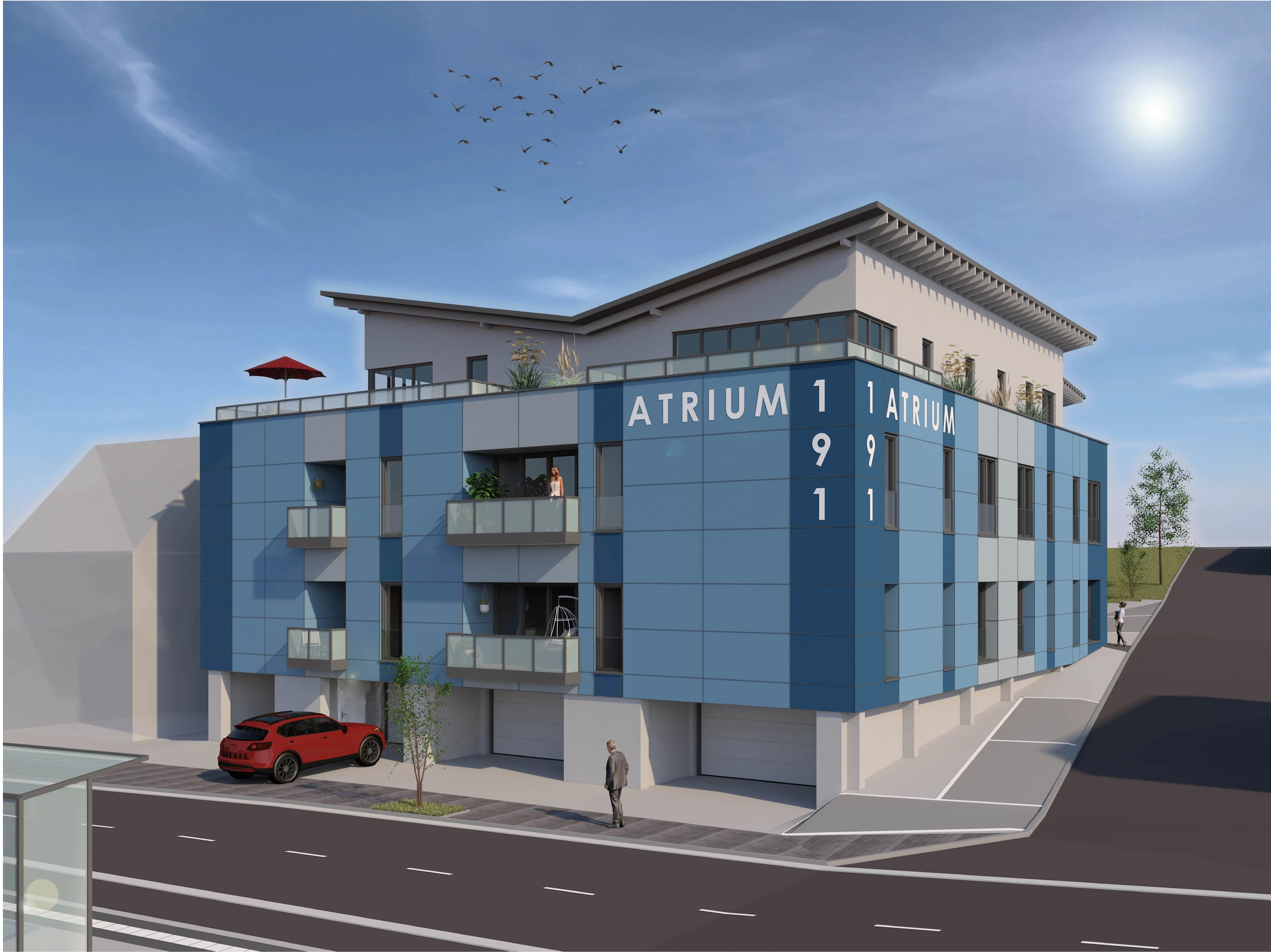
Architectural plans and visualised project views are available for the specific building at Rheinstraße 191. They present the proposed conversion of an existing commercial building into freehold apartments.
A fully sourced construction or ownership timeline for the individual building is not currently claimed here. This documentation will be expanded when the relevant records are released.
View the architecture & building ↗